Every parent wants their baby to be happy, healthy, and safe. Home is usually the place where babies spend most of their time. It is where they sleep, play, crawl, learn, and grow. But even a normal home can have things that may be unsafe for a baby.
A baby does not understand danger. They are naturally curious and want to touch, pull, open, climb, and taste things around them. An electrical socket may look interesting. A small object on the floor may look like a toy. A staircase may look like a place to explore.
This is why baby safety at home is so important.
Parents can make their homes safer by finding possible dangers and taking simple steps to reduce them. Baby safety is not about making the home completely risk-free. It is about reducing avoidable risks and creating a safer environment for children.
In this guide, we will discuss simple and practical ways to improve baby safety at home. We will cover different rooms, common household dangers, baby safety products, cleaning and storage safety, electrical safety, furniture safety, and useful habits for parents.
The information is written in simple English so that new parents can understand it easily.
What Does Baby Safety at Home Mean?
Baby safety at home means taking steps to protect babies and young children from common dangers inside the house.
Babies learn by exploring. They use their hands, eyes, and mouth to understand their surroundings.
This means that things adults do not think about can become interesting to a baby.
For example, a baby may:
- Crawl toward a staircase.
- Touch an electrical socket.
- Pull a wire.
- Open a drawer.
- Grab a tablecloth.
- Pick up a coin.
- Touch a hot cup.
- Try to climb a chair.
- Open a bathroom cabinet.
- Crawl toward a bucket of water.
Parents should think about these situations before they happen.
Simple changes such as securing furniture, covering suitable electrical outlets, locking unsafe cabinets, and keeping dangerous objects away can help create a safer home.
Why Is Baby Safety at Home Important? Baby Safety at Home
Babies do not know what is dangerous.
Adults understand that a hot pan can burn, a medicine bottle should not be opened, and a staircase can cause a fall.
A baby does not have this understanding yet.
They simply see something interesting and want to explore it.
As babies grow, they become more active. A baby may first learn to roll, then crawl, then stand, and later walk and climb.
Each new skill gives them access to more areas of the home.
This is why parents should regularly check their home and update their safety measures.
Good baby safety at home is a combination of:
- Safe surroundings
- Suitable baby safety products
- Good storage habits
- Regular home checks
- Active supervision
- Teaching simple safety rules as the child grows
When Should Parents Start Thinking About Baby Safety?
Parents should start preparing their home before their baby becomes highly mobile.
You do not have to wait until the baby starts crawling.
A baby can become mobile very quickly.
Starting early gives parents time to look around the house and identify possible hazards.
Begin with the rooms where your baby spends most of their time.
Then slowly check the rest of the home.
You do not need to buy every safety product available. First understand the risks in your home and then choose suitable solutions.
Simple Baby Safety Tips at Home
1. Look at Your Home from Your Baby’s Point of View
One of the easiest ways to improve baby safety at home is to look around your house from a baby’s level.
Sit or kneel on the floor and look around.
You may notice things that you normally ignore.
For example, you may see:
- Electrical sockets
- Loose wires
- Small objects
- Sharp furniture corners
- Low shelves
- Open drawers
- Small decorations
- Coins
- Batteries
- Cables
2. Keep Small Objects Away
Babies often put objects into their mouths.
Small objects can therefore be dangerous.
Parents should regularly check floors, sofas, tables, and other low surfaces.
Look for:
- Coins
- Buttons
- Batteries
- Small toy pieces
- Pen caps
- Jewelry
- Small plastic parts
- Tiny household items
If you find a small object that could fit inside your baby’s mouth, remove it immediately.
Make regular floor checks part of your daily routine.
3. Protect Electrical Outlets
Electrical outlets can be attractive to curious babies.
A baby may try to touch an outlet or insert an object into it.
Parents should identify outlets that their baby can reach and use suitable protection where appropriate.
Socket covers may be useful for compatible outlets.
Always choose a product that is suitable for your type of outlet and use it according to its instructions.
Also keep chargers and electrical wires away from the baby’s play area.
Never allow babies to play with cables or electrical devices.
4. Keep Wires and Cords Organized
Loose wires can create different safety risks.
A baby may pull a wire, chew it, or become tangled in it.
Keep electrical cables organized and away from areas where your baby crawls or plays.
Chargers should not be left on the floor.
Avoid allowing long wires to hang from tables or counters.
If an electrical wire is damaged, stop using it and have it properly repaired or replaced.
Baby Safety in the Living Room
The living room is often a baby’s main play area.
It can contain furniture, electrical devices, decorations, wires, and many other objects.
Parents should carefully inspect the room.
Protect Sharp Corners
Tables, desks, cabinets, and TV units may have sharp corners.
A baby learning to walk can lose balance and fall against these corners.
Suitable corner protectors can help cover sharp edges on appropriate furniture.
Check the protectors regularly to make sure they are secure and not damaged.
Secure Heavy Furniture baby safety at home
Babies and toddlers may pull or climb furniture.
Bookshelves, cabinets, dressers, and television units should be stable and secured where appropriate.
Furniture anchoring products may help reduce tip-over risks when used correctly.
Do not place attractive toys on high furniture because they may encourage your child to climb.
Keep Remote Controls and Small Objects Away
Remote controls, batteries, small decorations, and other objects can be interesting to babies.
Keep these objects out of reach.
Pay special attention to batteries because small batteries can be dangerous if swallowed.
Baby Safety in the Bedroom
The bedroom should be a comfortable and safe place for your baby.
The baby’s sleeping area needs special attention.
Parents should follow current safe sleep recommendations from trusted health authorities and keep the sleep area free from unnecessary items.
Apart from the sleeping space, check the rest of the bedroom.
Look for:
- Loose wires
- Electrical outlets
- Small objects
- Unstable furniture
- Accessible drawers
- Windows
- Shelves
Keep Furniture Stable
Check wardrobes, dressers, shelves, and other furniture.
Secure suitable furniture according to the manufacturer’s recommendations.
Do not place objects where a baby may try to climb to reach them.
Keep the Floor Clear
Before putting your baby on the floor to play, check the area.
Remove small items, plastic pieces, wires, and other objects that could be unsafe.
Baby Safety in the Kitchen
The kitchen needs extra attention.
It can contain hot food, hot water, sharp tools, glass items, cleaning products, electrical appliances, and heavy objects.
The safest approach is to keep babies away from cooking areas whenever possible.
A suitable safety gate may help restrict access depending on your home.
Keep Sharp Objects Away
Knives, scissors, graters, and other sharp tools should be stored securely.
Never leave sharp objects near the edge of a counter.
Do not leave knives in an open drawer that a baby or toddler can access.
Keep Hot Items Away
Hot food and drinks can cause serious burns.
Never leave hot tea, coffee, soup, or cooking utensils near the edge of a table or counter.
Keep hot items away from your baby’s reach.
When cooking, be aware of where your baby is.
Never leave a young child alone near an active cooking area.
Lock Unsafe Cabinets
Kitchen cabinets may contain cleaning products, sharp tools, plastic bags, and other unsafe objects.
Use suitable cabinet locks where necessary.
However, dangerous products should also be stored securely and not simply placed behind a cabinet door.
Baby Safety in the Bathroom baby safety at home
The bathroom is another area that requires careful attention.
Water, medicines, cleaning products, slippery floors, and electrical devices can create safety risks.
Never Leave a Baby Alone Near Water
This is one of the most important rules for baby safety at home.
Never leave a baby alone around:
- Bathtubs
- Buckets
- Sinks
- Toilets
- Water containers
Even a small amount of water can be dangerous.
Always supervise babies closely around water.
Keep the Bathroom Floor Dry
Wet floors can become slippery.
Clean up water quickly.
Suitable anti-slip products may help on appropriate surfaces, but they should not replace supervision.
Store Medicines Safely
Keep medicines away from children.
Do not leave medicine bottles on bathroom counters or low shelves.
Store medicines securely according to their instructions.
Keep Electrical Products Away from Water
Electrical devices such as hair dryers and electric shavers should be kept away from water.
Unplug and store electrical products safely when appropriate.
Baby Safety Near Stairs
Stairs can become dangerous once your baby starts crawling.
Babies do not understand the danger of falling.
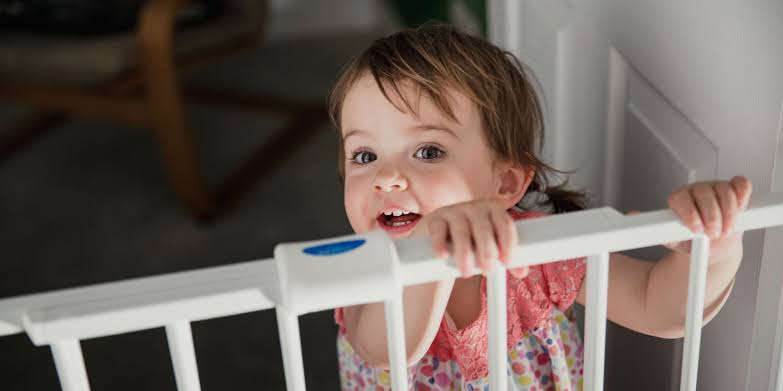
A suitable and properly installed safety gate can help restrict access to stairs.
Parents should check the gate regularly.
Make sure it remains secure and is suitable for the location.
Do not place chairs, boxes, or other objects near the gate that could help a child climb over it.
Baby Safety Around Doors
Doors can also create risks.
A child may open a door and enter a dangerous area.
They may also get fingers caught in a closing door.
Suitable door safety products can help restrict access to certain rooms.
Pay special attention to doors leading to:
- Kitchens
- Bathrooms
- Storage rooms
- Utility areas
- Balconies
Adults should still be able to open important doors quickly in an emergency.
Baby Safety Around Windows
Windows require attention when babies become mobile.
Do not place chairs, beds, tables, or other furniture close enough to a window that a child could use them to climb.
Keep toys away from windows.
Use appropriate window safety measures where necessary.
Parents should also supervise children near windows.
Baby Safety on Balconies
If your home has a balcony, do not allow babies or young children to access it without close supervision.
Check the area for:
- Chairs
- Tables
- Boxes
- Gaps
- Small objects
- Climbable furniture
Keep climbable objects away from railings.
Restrict access when appropriate.
Keep Medicines and Chemicals Away
Medicines and household chemicals need special attention.
These products can include:
- Medicines
- Cleaning liquids
- Disinfectants
- Detergents
- Insect products
- Cosmetics
- Other household chemicals
Keep these products securely stored and away from children.
Do not leave them on the floor, under sinks without suitable protection, or on low shelves.
Never transfer chemicals into food or drink containers.
Baby Safety with Batteries
Small batteries need special care.
Button batteries and other small batteries can be dangerous if swallowed.
Keep loose batteries away from children.
Check toys and devices regularly to make sure battery compartments are secure.
If a battery is missing from a device, do not allow a child to use the device until the situation has been safely resolved.
Baby Safety with Toys
Toys should be suitable for the child’s age.
Always check the recommended age range.
Regularly inspect toys for:
- Broken pieces
- Loose parts
- Sharp edges
- Damaged batteries
- Small detachable pieces
Remove damaged toys.
Do not give babies toys with parts that can easily come loose.
Baby Safety on the Floor
The floor is where babies spend a lot of time.
They crawl, sit, roll, and play there.
For better baby safety at home, keep floors clean and free from small objects.
Check under:
- Sofas
- Beds
- Tables
- Cabinets
- Chairs
Babies can crawl into areas adults may not normally check.
Remove anything unsafe.
If you use rugs or mats, make sure they do not slide or create a tripping risk.
Baby Safety During Mealtime
Mealtime can also have safety concerns.
Hot food and drinks should be kept away from babies.
Be careful with tablecloths because babies may pull them.
Do not place heavy or hot objects near the edge of tables.
When using a high chair, follow the manufacturer’s instructions and use the safety straps as directed.
Never leave a baby alone in a high chair.
Baby Safety Products for Home
Baby safety products can provide an additional layer of protection when used correctly.
Some commonly used products include:
Baby Safety Gates
These can help restrict access to stairs, kitchens, and other areas.
Corner Guards
These are designed to protect suitable sharp furniture corners.
Edge Protectors
These can help cover certain sharp furniture edges.
Cabinet Locks
These can help keep selected cabinets closed.
Drawer Locks
These can help restrict access to certain drawers.
Socket Covers
These can help protect accessible electrical outlets when properly selected and used.
Door Safety Locks
These can help restrict access to selected rooms.
Anti-Slip Mats
These may provide additional grip on suitable surfaces.
Furniture Anchors
These can help secure suitable furniture against tip-over risks.
Parents should always read product instructions before installation and use.
How to Choose Baby Safety Products
There are many baby safety products available, so parents may not know what to choose.
The best approach is to start with the safety problem.
For example:
If your baby can reach a staircase, consider a suitable safety gate.
If your furniture has sharp corners, consider suitable corner protection.
If your child opens cabinets, consider an appropriate cabinet lock.
Do not buy products simply because they look attractive.
Check the Size
Some products need exact measurements.
Measure the area before purchasing where necessary.
Check the Age Recommendation
Make sure the product is suitable for your child’s age and developmental stage.
Check Installation Requirements
Follow the manufacturer’s instructions carefully.
A product that is not installed correctly may not work as intended.
Check the Product Regularly
Safety products can become loose or damaged.
Check for:
- Cracks
- Loose screws
- Broken pieces
- Weak adhesive
- Damage
- Changes in fit
Replace damaged products when necessary.
Baby Safety for Newborns
Newborn babies need a different type of safety approach.
They may not crawl yet, but parents should still prepare the home.
Pay special attention to:
- Safe sleep
- Temperature
- Sleeping area
- Small objects
- Loose items
- Electrical products
- Baby equipment
Follow trusted safe sleep recommendations.
Avoid placing unnecessary soft items in the baby’s sleeping area.
Baby Safety for Crawling Babies
Once a baby starts crawling, their access to the home increases.
This is the time to check every room carefully.
Look at the floor.
Check under furniture.
Secure drawers and cabinets.
Protect electrical outlets.
Block access to stairs.
Move small objects away.
Keep wires out of reach.
This stage is an important part of maintaining baby safety at home.
Baby Safety for Toddlers
Toddlers can walk, climb, pull, and reach higher surfaces.
They may also learn how to open simple locks.
This means that parents need to update their safety measures.
Check:
- Furniture
- Doors
- Windows
- Cabinets
- Stairs
- Kitchen access
- Bathroom access
- Small objects
As your child becomes more independent, continue teaching simple safety rules.
Common Baby Safety Mistakes
Parents work hard to keep their children safe, but mistakes can happen.
Here are some common mistakes to avoid.
Relying Only on Safety Products
A safety product is an extra layer of protection.
It does not replace adult supervision.
Forgetting to Check Small Objects
Small objects can be easy to miss.
Make regular floor checks part of your routine.
Ignoring Furniture
Parents may focus on small items and forget large furniture.
Check furniture stability regularly.
Leaving Hot Drinks on Low Tables
A baby can reach a cup faster than expected.
Keep hot drinks away from the baby’s reach.
Keeping Medicines in Easy-to-Reach Places
Medicine should always be stored securely.
Not Updating Baby Proofing
Your child grows and becomes stronger.
A safety measure that worked earlier may not be enough later.
How to Make Baby Safety a Daily Habit
Baby safety should become part of your everyday routine.
You do not need to spend hours checking the house.
A few minutes can help.
At the end of the day, check:
- Floors
- Drawers
- Cabinets
- Wires
- Toys
- Doors
- Water areas
- Dangerous products
If something has changed, fix it.
A Simple Baby Safety Checklist
Parents can use this checklist to review their home:
- Check accessible electrical outlets.
- Secure loose wires.
- Protect sharp corners.
- Secure heavy furniture.
- Lock unsafe cabinets.
- Lock unsafe drawers.
- Store medicines safely.
- Store cleaning products securely.
- Remove small objects.
- Check stairs.
- Check windows.
- Check balconies.
- Keep bathrooms safe.
- Keep babies away from cooking areas.
- Check toys regularly.
- Keep hot drinks away.
- Check baby safety products.
- Keep water areas supervised.
You can go through this list room by room.
Baby Safety Is an Ongoing Process
One important thing to remember is that baby safety at home is not a one-time task.
Your baby keeps growing.
First they may roll.
Then they crawl.
Then they stand.
Then they walk.
Later they may climb and reach higher places.
Every stage can create new safety concerns.
.
Create a Safer Play Area
A dedicated play area can make supervision easier.
Choose an area that is:
- Clean
- Organized
- Free from small dangerous objects
- Away from stairs
- Away from hot surfaces
- Away from unsafe wires
- Free from unstable furniture
Give your child age-appropriate toys.
Check toys regularly for damage.
Stay nearby while your baby plays.
Teach Safety as Your Baby Grows
Baby proofing is especially important for young children, but teaching safety becomes more important as they grow.
You can teach simple rules such as:
“Do not touch the socket.”
“Stay away from the stove.”
“Do not open this cabinet.”
“Do not play near the stairs.”
“Do not touch hot things.”
Children may not understand everything immediately, so parents should continue supervising them.
Baby Safety Tips for Different Areas
A simple way to remember safety is to divide your home into areas.
Living Room
Check furniture, corners, sockets, wires, and small objects.
Bedroom
Check the sleep area, furniture, windows, cords, and small items.
Kitchen
Secure sharp tools, hot items, cleaning products, appliances, and cabinets.
Bathroom
Supervise around water and keep medicines and cleaning products secure.
Stairs
Use suitable safety barriers where needed.
Windows
Keep climbable furniture away and use appropriate safety measures.
Balcony
Restrict unsupervised access and remove climbable objects.
Play Area
Keep the floor clean and use age-appropriate toys.