A home is supposed to be a safe and comfortable place for every family. But when a baby starts crawling, standing, and walking, normal things around the house can become possible safety risks.
Babies are naturally curious. They want to touch, pull, open, climb, and explore everything they see. This is an important part of learning, but it also means parents need to look at their home in a different way.
A table corner that seems harmless to an adult can hurt a baby who is learning to walk. A low cabinet may contain cleaning products. An electrical socket may attract a curious child. Even small objects on the floor can become dangerous if a baby puts them in their mouth.
This is where baby proofing becomes important.
Baby proofing means making simple changes around your home to reduce common risks for babies and young children. It does not mean making your home completely risk-free. Instead, it means identifying possible dangers and taking reasonable steps to make the environment safer.
At babysafteystore, we believe that parents should have easy-to-understand information about baby safety along with useful products that can support everyday childproofing.
In this guide, we will look at different rooms of the house and explain simple ways to make each area safer.
What Is Baby Proofing? Baby Proofing Your Home
Baby proofing is the process of making your home safer for a baby or young child.
A baby sees the world differently from an adult. Things that are difficult for us to notice can easily attract a baby.
For example, a baby may be interested in:
- Electrical wires
- Small objects
- Drawers
- Cabinets
- Door handles
- Stairs
- Furniture
- Remote controls
- Decorative items
- Plants
- Water
- Electrical sockets
Because babies learn by touching and exploring, parents should check the home before the baby becomes fully mobile.
Baby proofing can include using products such as:
- Baby safety locks
- Cabinet locks
- Drawer locks
- Corner guards
- Socket covers
- Door safety locks
- Safety gates
- Furniture safety products
However, products are only one part of baby safety. Adult supervision and safe habits are equally important.
Why Is Baby Proofing Important? Baby Proofing Your Home
Baby proofing can help parents identify possible dangers before an accident happens.
When a baby starts crawling, they can move around the house quickly. When they start walking, they can reach more places. As they grow, their ability to open, pull, climb, and explore also increases.
This means your home’s safety needs can change over time.
For example, a low shelf may not be a problem for a newborn. But a walking toddler may try to climb it.
Similarly, a cabinet may seem safe until your child learns how to open its door.
Regularly checking your home can help you stay one step ahead.
Baby Proofing the Living Room
The living room is often where families spend a lot of time. It may also be one of the first areas where babies learn to crawl and walk.
Start by checking everything your baby can reach. Baby Proofing Your Home
Protect Sharp Furniture Corners
Coffee tables, TV units, cabinets, and other furniture may have sharp corners.
A baby who is learning to walk may lose balance and fall against a corner.
Using suitable baby safety corner guards can help reduce the impact of accidental bumps.
Make sure the guards are properly attached and suitable for the furniture.
Secure Unstable Furniture
Babies love pulling themselves up on furniture.
If a shelf, cabinet, or other furniture can easily move or tip, it may become a safety concern.
Furniture should be stable and secured appropriately according to the manufacturer’s instructions and local safety guidance.
Avoid placing heavy objects where a child can pull them down.
Keep Small Items Away
Look carefully at your floor and low tables.
Small objects such as coins, buttons, batteries, small toy pieces, and other tiny items should be kept away from babies.
A simple habit can help: check the floor before allowing your baby to play.
Baby Proofing the Kitchen
The kitchen contains many things that can be dangerous for young children.
There may be hot food, sharp objects, cleaning products, glass items, electrical appliances, and other hazards.
The easiest approach is to keep babies away from the cooking area whenever possible.Baby Proofing Your Home
Lock Unsafe Cabinets
Kitchen cabinets may contain:
- Cleaning products
- Sharp tools
- Glass containers
- Plastic bags
- Small objects
- Chemicals
Store these items safely and use appropriate cabinet locks where needed.
Baby cabinet locks can provide an extra layer of protection against curious little hands.
Keep Sharp Objects Away
Knives, scissors, peelers, and other sharp tools should always be stored safely.
Do not leave sharp objects on low counters where your baby can reach them.
Be Careful With Hot Items
Hot food, tea, coffee, cooking pans, and other hot items should be kept away from the edge of counters and tables.
A child may pull a tablecloth or reach toward an attractive object.
Never leave hot drinks where a baby can reach them.
Baby Proofing the Bedroom Baby Proofing Your Home
The bedroom may look like a calm and safe space, but it still needs attention.
Check furniture, wires, small objects, windows, and the baby’s sleeping area.
Keep the Sleeping Area Simple
Follow current safe-sleep recommendations from trusted pediatric and child-safety authorities.
Avoid adding unnecessary objects to the baby’s sleep space.
Parents should choose an age-appropriate sleeping arrangement and follow professional guidance if they have questions.
Keep Cords Away
Curtain cords, charger cables, and other loose cords should not be accessible to babies.
Keep wires organized and away from areas where your child can grab or pull them.
Check Low Furniture
Look at bedside tables, drawers, and shelves.
If your baby can reach them, check what is stored inside or on top.
Keep medicines, cosmetics, small objects, and other unsafe items away from children.
Baby Proofing the Bathroom
A bathroom needs special attention because it contains water, medicines, cleaning products, and slippery surfaces.Baby Proofing Your Home
Never Leave a Baby Alone Near Water
This is one of the most important safety rules.
Never leave a baby unattended around water, even for a short moment.
Stay close and keep your attention on the child.
Store Medicines Safely
Medicines should be stored securely and away from children.
The same applies to cosmetics, cleaning products, razors, and other bathroom items.
Keep the Floor Dry
Water on the floor can make it slippery.
Clean up water quickly and keep the bathroom floor as dry as practical.
Remember that even with safety products, active supervision is essential.
Baby Proofing Stairs
Stairs can become a major concern once a baby starts crawling or walking.
Baby Proofing Your Home.
A child may try to climb stairs without understanding the danger of falling.
Use a Suitable Safety Gate
A properly installed baby safety gate can help limit access to stairs and other restricted areas.
Choose a gate suitable for the location and follow the manufacturer’s installation instructions.
Check the gate regularly to make sure it remains secure.
Teach Your Child About Stairs
As your child grows, teach them how to use stairs safely.
However, teaching should not replace supervision.
Young children still need an adult nearby when using stairs.
Baby Proofing Doors
Doors can create several problems for young children.
A baby may close a door on their fingers or enter an area that is not safe.
Depending on your home’s layout, you may consider appropriate door safety products.
These can help reduce the chance of little fingers getting trapped or prevent access to certain areas.
Always make sure the product is suitable for your particular door.
Protect Electrical Sockets
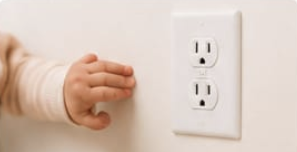
Electrical sockets can attract curious babies.
Because many sockets are located close to the floor, they can be easy for children to reach.
Unused electrical outlets should be protected using suitable child-safety products designed for that purpose.
Keep electrical wires and chargers away from areas where your baby can pull or chew them.
Do not allow your child to play with electrical equipment.
Baby Proofing Windows
Windows also need attention, especially when a child becomes mobile.
Keep furniture away from windows where possible so that a child cannot easily climb up to them.
Use appropriate window safety measures where needed and follow the manufacturer’s instructions.
Do not rely on a mosquito net or similar item as a safety barrier.
Regularly check windows and locks to make sure they are working properly.
Baby Proofing the Dining Area
Dining tables may contain hot food, sharp objects, glassware, and small items.
Babies may pull themselves up using chairs.
Keep hot food and drinks away from edges.
Avoid leaving knives, forks, glass items, and other dangerous objects where your child can reach them.
If your baby uses a high chair, follow the manufacturer’s safety instructions and always supervise your child.
Baby Proofing the Balcony
Balconies require special attention.
Young children should not have unsupervised access to balconies.
Keep chairs, tables, boxes, or other objects away from balcony railings if they could allow a child to climb.
Check that doors leading to the balcony can be secured appropriately.
Do not rely only on a railing as protection.
Keep Cleaning Products Away From Children
Many household cleaning products can be harmful if swallowed or touched incorrectly.
These may include:
- Floor cleaners
- Toilet cleaners
- Dishwashing products
- Laundry products
- Bleach
- Insect-control products
- Other household chemicals
Keep these products stored securely and away from children.
A cabinet lock can provide an extra layer of protection, but safe storage remains important.
Keep Small Objects Away
One of the simplest baby safety habits is also one of the most important.
If an object is small enough for your baby to pick up, they may put it in their mouth.
Regularly check the floor, under furniture, and low surfaces.
Be especially careful with small toy parts, batteries, coins, buttons, and similar objects.
If you are unsure whether something is safe for your child’s age, keep it away until you can confirm its suitability.
How to Choose Baby Safety Products
There are many baby safety products available today. But parents should not simply buy every product they see.
First, identify the actual safety needs in your home.
For example:
If your furniture has sharp corners, you may need corner guards.
If your cabinets contain unsafe items, you may need cabinet locks.
If your baby can reach electrical outlets, you may need suitable socket covers.
If your child can access stairs, a suitable safety gate may be useful.
Choosing products according to your home’s needs can make baby proofing easier and more practical.
What to Check Before Buying a Baby Safety Product
Before purchasing a product from babysafteystore or any other store, check a few important things.
Check the Size
Make sure the product fits the area where you plan to use it.
A product that does not fit properly may not work as expected.
Check the Material
Look at the product material and construction.
Choose products from reliable sources and follow the manufacturer’s information.
Check Installation Instructions
Some products need to be attached or installed correctly.
Always read the instructions before use.
Check the Age Recommendation
If an age recommendation is provided, make sure it is suitable for your child.
Check the Product Regularly
Even a good safety product can become loose or damaged over time.
Make it a habit to check safety products regularly.
Baby Proofing Is an Ongoing Process
One of the most important things parents should understand is that baby proofing does not end after one day.
Your child is constantly learning new skills.
First, they may crawl.
Then they may stand.
Then they may walk.
Later, they may climb and open things.
Every new skill can create a new safety challenge.
This is why parents should review their home regularly.
A simple monthly safety check can be useful.
Walk through your home and look for anything your child can now reach that they could not reach before.
A Simple Room-by-Room Baby Safety Check
You can use the following questions while checking your home:
Living Room
Can my baby reach sharp corners?
Can they pull furniture?
Are there small objects on the floor?
Are electrical wires accessible?
Kitchen
Can my baby open cabinets?
Are cleaning products safely stored?
Can they reach hot food or drinks?
Are sharp objects safely stored?
Bedroom
Is the sleeping area appropriate and uncluttered?
Can my baby reach cords?
Are medicines and small objects stored safely?
Bathroom
Can my baby reach medicines or cleaning products?
Is water accessible?
Is the floor slippery?
Stairs
Can my baby access the stairs?
Is a suitable safety gate needed?
Is the gate installed correctly?
Balcony
Can my baby access the balcony?
Can they climb on furniture near the railing?
Can the balcony door be secured appropriately?
This simple check can help you notice problems before they become accidents.
Common Baby Proofing Mistakes
Parents are often busy, and it is easy to miss small things.
Here are some common mistakes to avoid.
Mistake 1: Baby Proofing Too Late
Do not wait until your baby starts crawling.
Start checking your home before they become mobile.
Mistake 2: Using Too Many Products Without Checking the Need
Not every home needs the same safety products.
First identify the risks and then choose appropriate solutions.
Mistake 3: Forgetting About Height
Parents often baby-proof areas near the floor but forget that babies eventually stand and climb.
Recheck your home as your baby grows.
Mistake 4: Not Checking Products
A safety lock or corner guard can become loose over time.
Regular checks are important.
Mistake 5: Depending Only on Safety Products
Products are helpful, but they should not replace supervision.
How babysafteystore Supports Parents
At babysafteystore, the focus is on making baby safety simple and easy to understand.
Parents can explore different types of baby safety and baby-proofing products for everyday needs.
The goal is not just to sell products. It is also to help parents understand why baby safety matters and how small changes can make a home more comfortable for a growing child.
From baby safety locks and corner protection to other child-safety essentials, choosing the right products can help parents take practical steps toward a safer home.
Parents should always check product instructions and use safety products correctly.